
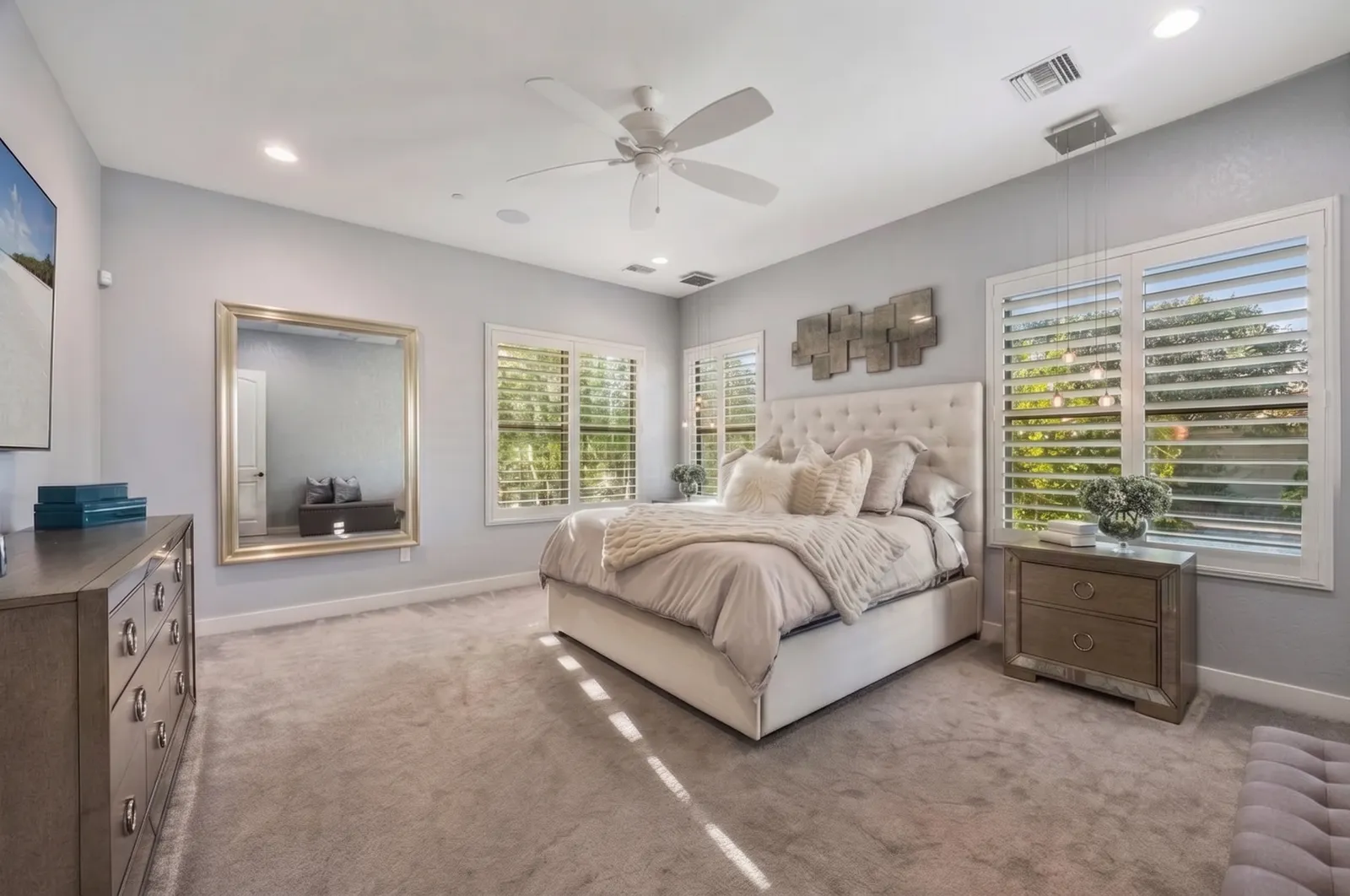
When homeowners shop for plantation shutters, they usually think about color, material, frame style, and louver size first.
But one of the most important design choices is the tilt option.
The tilt option controls how the shutter louvers open and close. It also changes the look of the shutter. Some tilt options create a more traditional style, while others create a cleaner, more modern look with less visual interruption.
The three most common plantation shutter tilt options are:
- Traditional tilt rod
- Hidden tilt
- Invisible tilt
Each option works a little differently, and each one gives the shutter a different look.
What Is a Plantation Shutter Tilt Rod?
A tilt rod is the part of the shutter that connects the louvers together so they open and close at the same time.
On a traditional plantation shutter, the tilt rod is the vertical bar on the front of the shutter panel. You move the rod up or down, and all the louvers tilt together.
For decades, this has been the most recognizable plantation shutter style. When many people picture shutters, they picture a white shutter with a front tilt rod.
It is a classic look, but it is not the only option anymore.
Today, homeowners can choose from traditional tilt rods, hidden tilt, and invisible tilt systems depending on the style they want.
Option 1: Traditional Tilt Rod
The traditional tilt rod is the classic plantation shutter style.
This is the vertical bar mounted on the front center of the shutter panel. To operate the shutter, you simply grab the tilt rod and move it up or down. The louvers move together and allow you to control light, view, and privacy.
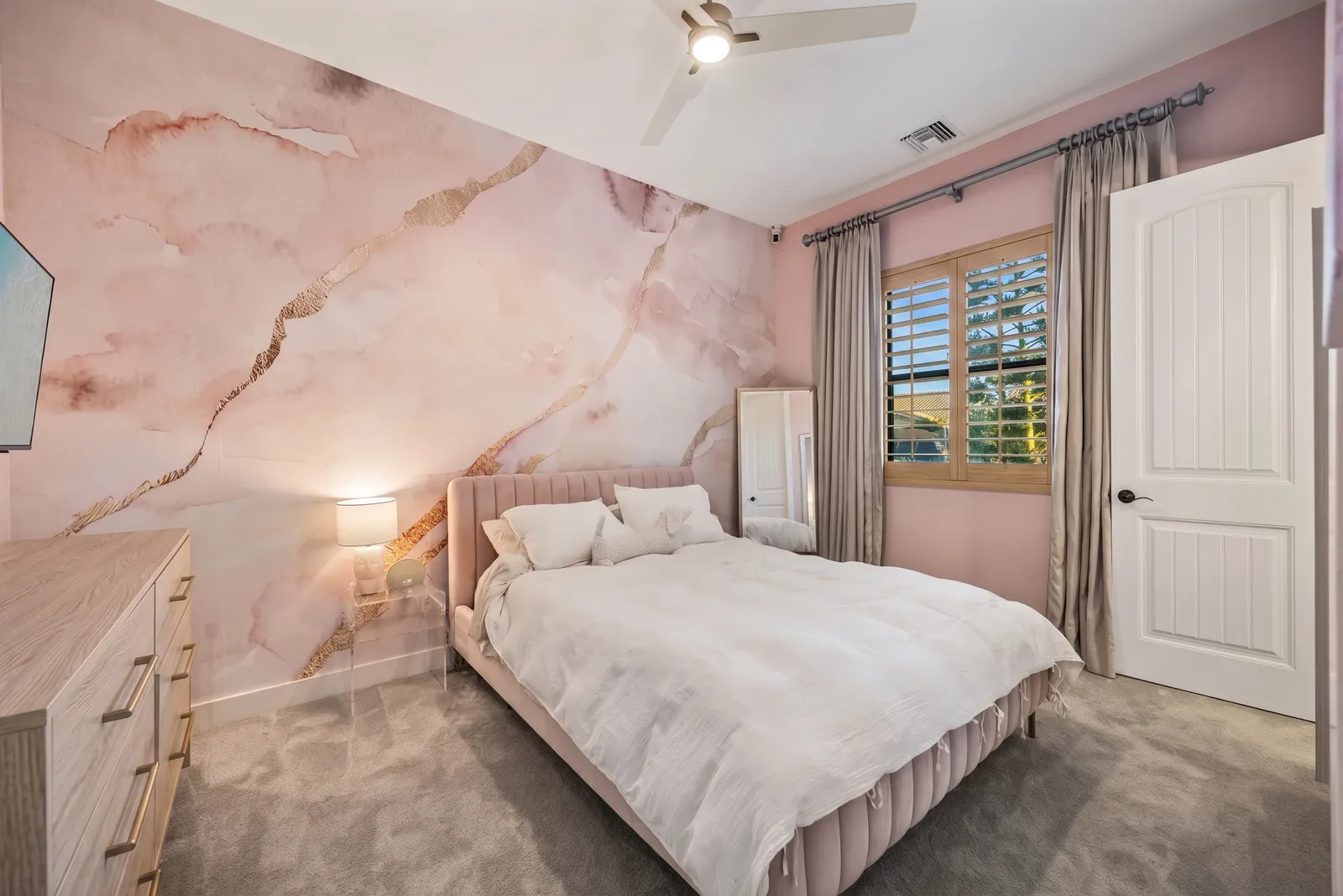
Traditional tilt rods are still very popular because they give shutters that timeless plantation shutter look.
They work especially well in:
- Traditional homes
- Classic interiors
- Homes with more decorative trim
- Rooms where you want the shutter to feel like a design feature
- Homeowners who like the original plantation shutter style
A traditional tilt rod is simple, familiar, and easy to operate.
It does add a vertical line down the front of the shutter, so it creates a little more visual detail. For many homeowners, that is part of the charm. For others, especially in newer homes, that extra line can feel a little busier than they want.
Option 2: Hidden Tilt Shutters
Hidden tilt shutters remove the tilt rod from the front of the shutter.
Instead of having a visible rod down the middle, the shutter has a small bar on the back or side of the louvers. That bar connects the louvers together so they still move in unison.
To operate a hidden tilt shutter, you simply grab one of the louvers and tilt it by hand. The rest of the louvers move with it.
The biggest benefit of hidden tilt is the cleaner look.
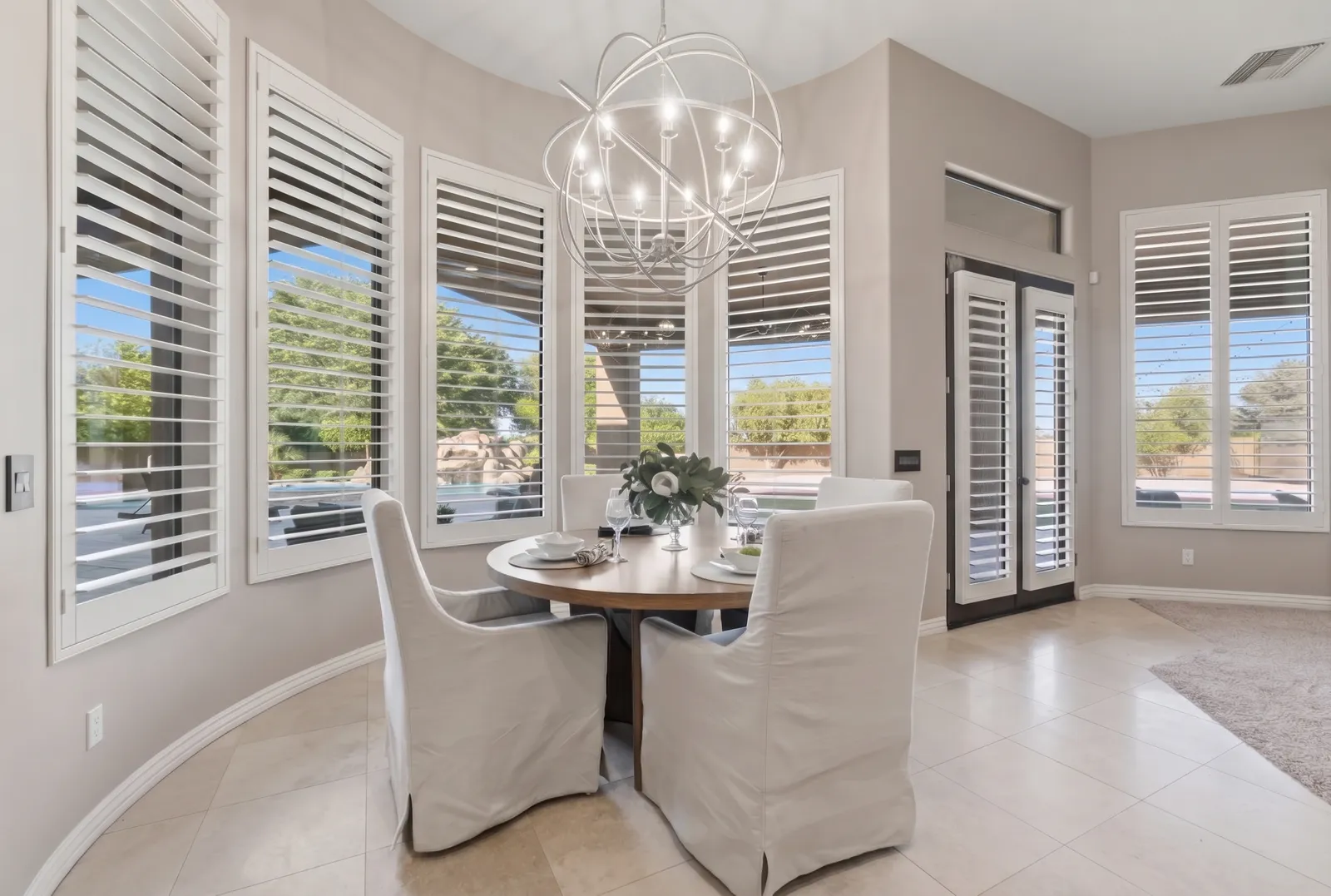
Because there is no tilt rod on the front, the shutter has fewer visual interruptions. You can see through the shutter more clearly when the louvers are open, and the panel has a more modern, streamlined appearance.
Hidden tilt shutters are a great choice if you want:
- Cleaner lines
- A more modern shutter look
- Less visual clutter
- A better view through the shutter
- Simple operation
- Easier cleaning
Hidden tilt is especially popular in newer Arizona homes, modern farmhouse homes, desert contemporary homes, and homes with simple trim and clean interior design.
It keeps the benefits of plantation shutters but makes them feel more updated.
Option 3: Invisible Tilt Shutters
Invisible tilt is a newer and more advanced shutter tilt option.
With invisible tilt, there is no tilt rod on the front and no visible tilt bar on the back or side of the louvers. The mechanism is built inside the shutter stile using an internal gear system.
You operate the shutter by grabbing a louver and tilting it. The louvers move together, but the tilt mechanism is hidden inside the shutter.
This creates the cleanest look of the three options.
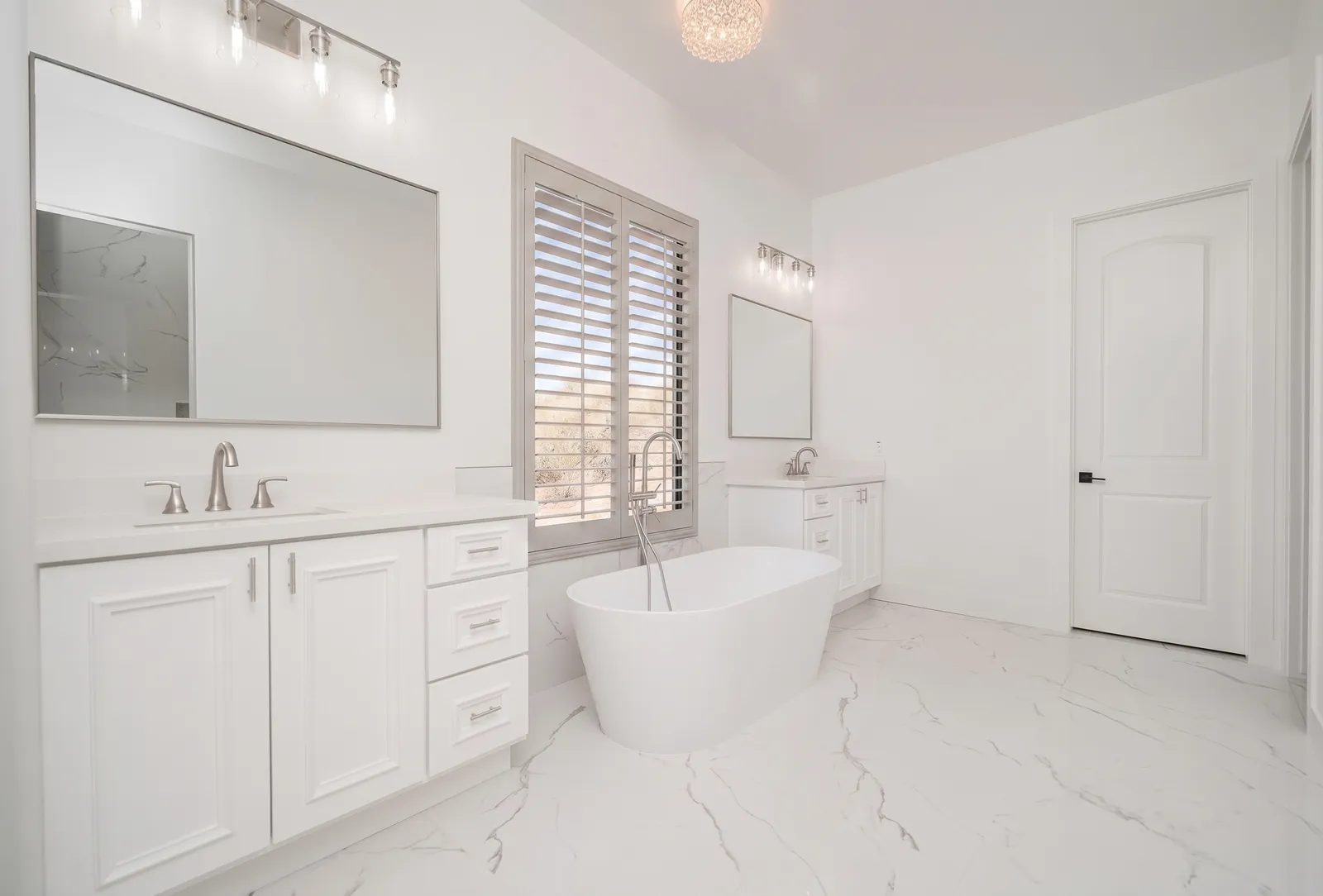
Invisible tilt is a great choice if you want the most seamless shutter design possible. It removes the visible hardware from the front and back of the shutter and gives the panel a very clean appearance.
Invisible tilt shutters are ideal for homeowners who want:
- The cleanest shutter look
- No front tilt rod
- No visible rear tilt bar
- A more advanced operating system
- A modern, seamless design
- Less interruption across the window
This option works especially well in contemporary homes, luxury homes, and rooms where the view through the shutter matters.
Traditional Tilt vs. Hidden Tilt vs. Invisible Tilt
All three tilt options can work beautifully. The right choice depends on the style of your home and the look you want.
A traditional tilt rod gives you the classic plantation shutter appearance. It is familiar, timeless, and still one of the most popular choices.
Hidden tilt gives you a cleaner look by removing the tilt rod from the front of the panel. It is a great middle ground for homeowners who want a more modern shutter without going to the most advanced mechanism.
Invisible tilt gives you the cleanest and most seamless look because the operating system is built inside the shutter.
Here is the easiest way to think about it:
Traditional tilt is classic. Hidden tilt is clean and modern. Invisible tilt is the most seamless.
None of these options are wrong. They simply create different looks.
You can compare all three on a 3D shutter in our Shutter Design Studio and watch the look change as you switch tilt styles.
Which Tilt Option Is Best for Modern Plantation Shutters?
For modern homes, hidden tilt and invisible tilt are usually the most popular choices.
Both options remove the front tilt rod, which makes the shutter look cleaner. That matters in homes with straight lines, simple trim, modern farmhouse details, or a more contemporary design style.
Without the tilt rod on the front, the shutter panel feels less busy. You also get a more open view when the louvers are tilted open.
If you want a modern shutter but still want a simple, proven system, hidden tilt is a great choice.
If you want the cleanest possible look with no visible tilt bar on the front or back, invisible tilt is the premium option.
Is the Traditional Tilt Rod Still Popular?
Yes. Traditional tilt rods are still very popular.
In fact, for many homeowners, the front tilt rod is part of what makes a plantation shutter look like a plantation shutter. It has a classic style that has been used for decades, and it still looks beautiful in the right home.
If your home has a traditional design, decorative trim, or a more classic feel, the traditional tilt rod may be the best fit.
It is also the option many people are most familiar with, which makes it comfortable and easy to use.
Which Shutter Tilt Option Should You Choose?
The best tilt option depends on your home and your personal style.
Choose a traditional tilt rod if you want the classic plantation shutter look.
Choose hidden tilt if you want a cleaner, more modern look without the front tilt rod.
Choose invisible tilt if you want the most seamless shutter design with the tilt mechanism hidden inside the shutter.
If you are choosing shutters for a newer Arizona home, hidden tilt or invisible tilt may give you the cleaner look you want. If your home is more traditional, the classic front tilt rod may still be the perfect choice.
Final Thoughts
Plantation shutters have come a long way. The traditional tilt rod is still beautiful and still extremely popular, but homeowners now have more design options than ever.
Hidden tilt and invisible tilt make shutters feel cleaner, more modern, and less visually busy. Traditional tilt rods keep the timeless look that made plantation shutters popular in the first place.
At Arizona Plantation Shutters, we help homeowners choose the right shutter design for their home, including louver size, frame style, material, color, and tilt option.
The goal is to make sure your shutters do more than fit the window. They should fit the style of your home.