
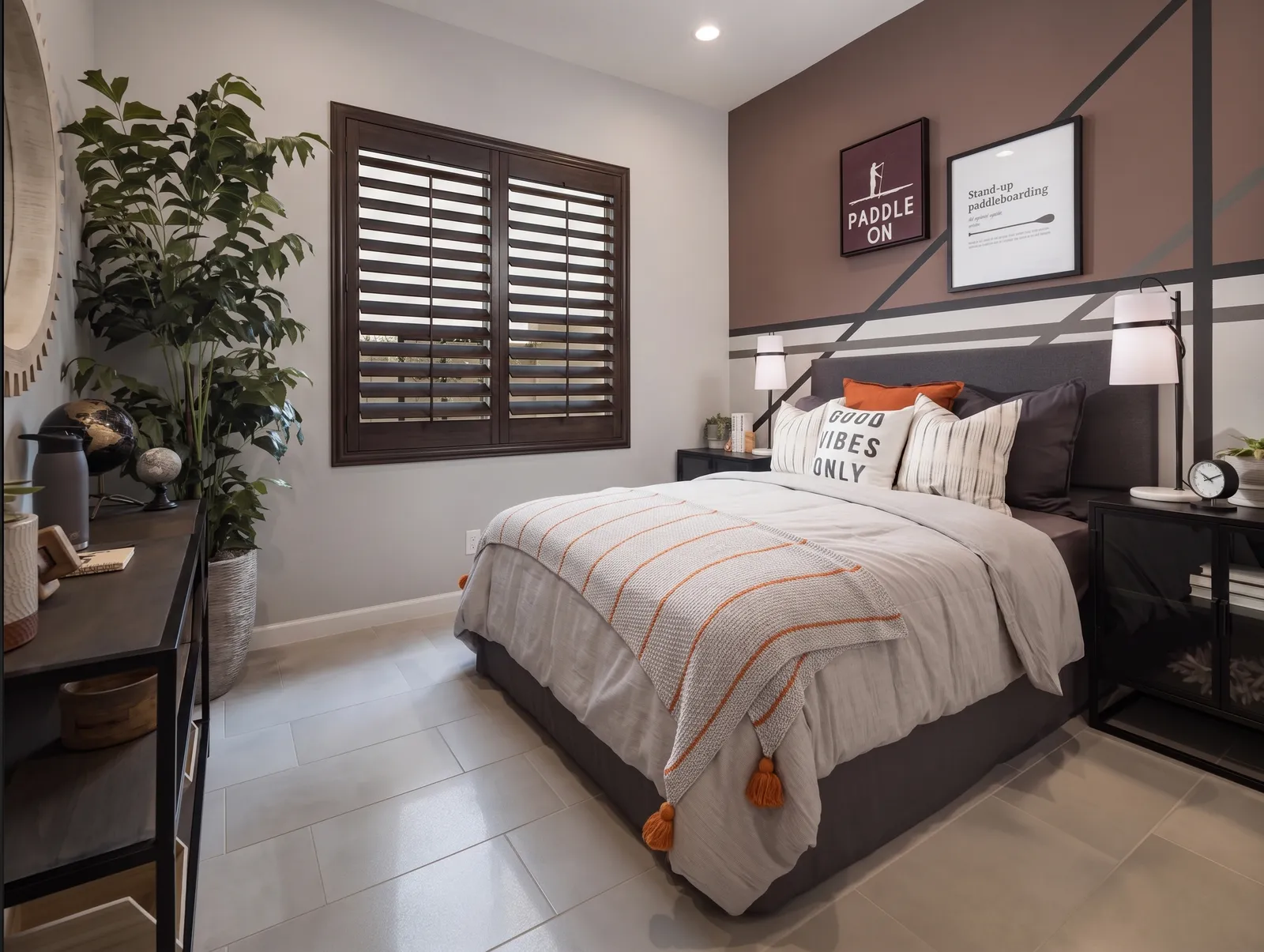
Wood shutters can be beautiful.
They have a classic look, they can be painted or stained, and in the right home they can feel warm, custom, and high-end.
But in Arizona, wood shutters also come with an important warning: wood is a natural material, and natural materials react to the environment around them.
That can create real problems over time.
Recently, while staying at a hotel in Scottsdale, we saw a perfect example of what can happen when wood shutters are exposed to Arizona’s changing climate. The shutters looked beautiful at first glance, but one of the panels would not stay closed.
At first, it looked like a simple magnet problem.
It was not.
The issue was that the wood itself had moved.
The Shutter Would Not Stay Closed
The first sign of the problem was simple: the shutter panel would not close properly.
Normally, when a shutter does not stay shut, you might assume the magnet is broken, the strike plate is missing, or the panel was not pushed closed all the way.
That is usually the first thing to check.
But in this case, the strike plate was there. The magnet was there. The hardware was not the problem.
The shutter still would not stay closed.
After looking more closely, the real issue became clear. The vertical side piece of the shutter panel, called the stile, was bowed.
That bowing changed the shape of the panel enough that the shutter could no longer close the way it was supposed to.
What Is a Shutter Stile?
A shutter stile is the vertical side piece of the shutter panel.
It is one of the structural parts of the shutter. The louvers connect into the stiles, and the stiles help the shutter panel hold its shape.
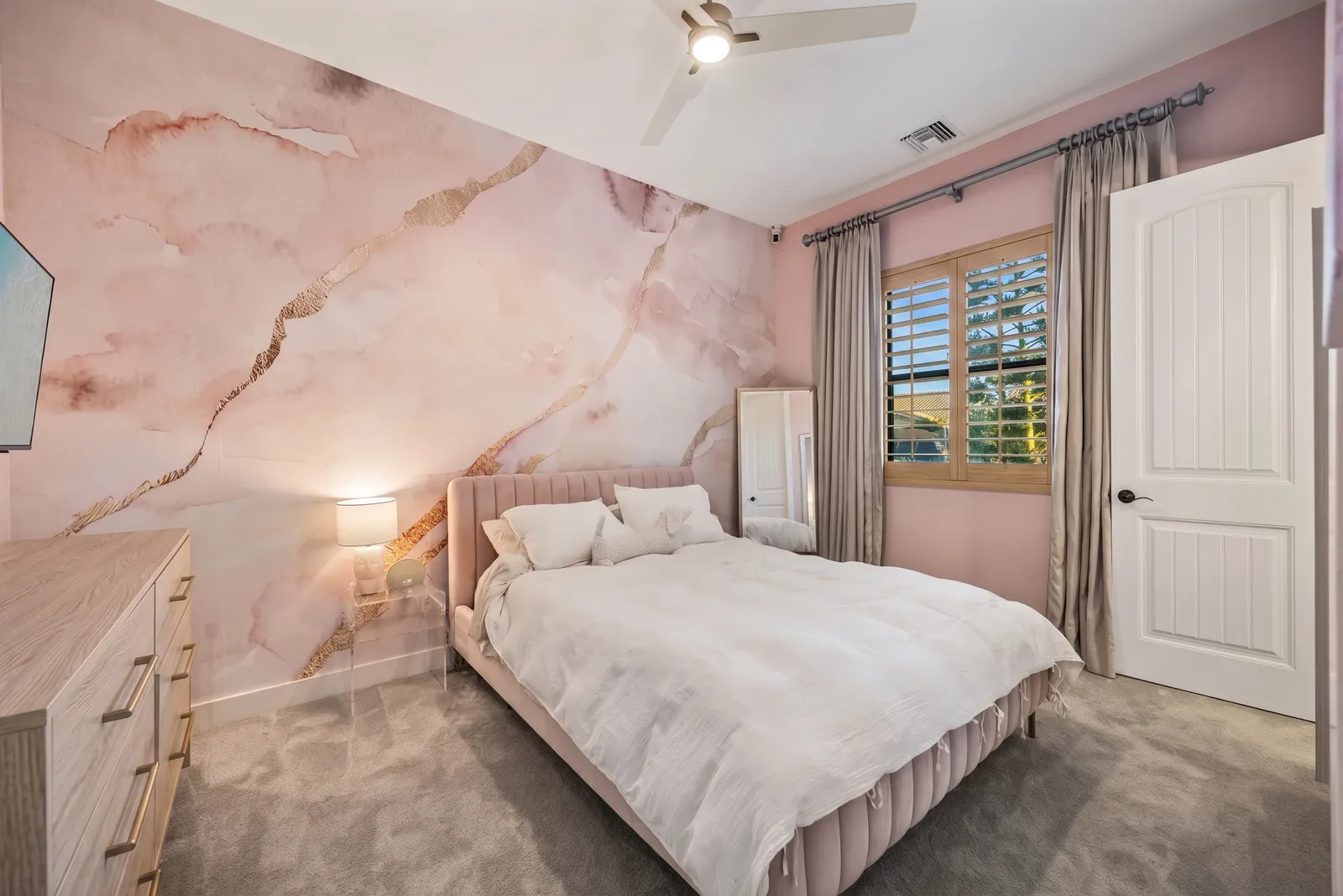
When a stile bows, twists, or moves, the entire panel can be affected.
That can cause problems like:
- The shutter not staying closed
- The panel rubbing or fitting poorly
- The louvers not closing evenly
- Gaps appearing where there should not be gaps
- The shutter looking uneven or out of alignment
In this Scottsdale example, the bowed stile was enough to keep the shutter from closing correctly, even though the magnet and strike plate were still in place.
Why Wood Moves in Arizona
Wood is a natural product.
That means it reacts to moisture in the air. It tries to balance the moisture inside the wood with the moisture in the surrounding environment.
Arizona is dry, but that does not mean the climate is always the same.
We go from extremely hot, dry summers to cooler winters. We also have monsoon season, when humidity levels can change. Indoor air conditioning, sunlight through windows, and seasonal changes can all affect the environment around the shutter.
As the humidity and temperature change, wood can expand, contract, bow, twist, or move.
That movement may be small at first, but over time it can affect how the shutter operates.
This is not always a sign that someone abused the shutter or that the hardware failed. Sometimes, wood is simply doing what wood naturally does.
Louvers Can Warp Too
The stile was not the only issue in the Scottsdale example.
Some of the louvers were also closing differently from others. A few louvers appeared to bow one direction, while others moved in another direction.
That creates uneven closure.
Instead of all the louvers lining up cleanly, some may close tighter while others leave small gaps. In some cases, the top may look closed, while the bottom still lets light through. Or one section of the shutter may operate differently than another.
This can happen when the louvers themselves move or when another part of the shutter, such as the tilt rod, is affected.
The end result is a shutter that no longer gives you the clean, uniform closure you expect.
Why This Matters More With White Painted Shutters
We still sell wood shutters, and there are times when wood makes sense.
The biggest reason to choose wood is usually stain.
If you want a stained shutter with a real wood look, a synthetic or poly material usually cannot give you the same result. Stained wood shutters can be beautiful in the right home.
But if you want white or off-white shutters, it is worth strongly considering a synthetic or poly shutter instead.
Why?
Because poly material does not react to the environment the same way wood does.
A quality poly shutter is designed to be stable, durable, and resistant to the movement that can happen with natural wood. It is not trying to absorb and release moisture like real wood.
That can make poly a smarter long-term choice for many Arizona homeowners, especially when the desired look is a painted white shutter.
The Replacement Problem With Wood Shutters
One of the hidden issues with wood shutters is the replacement cost.
If one shutter fails, replacing it may not be as simple as ordering one new panel.
In the Scottsdale example, the shutters had several unique details. There was a visible wood grain texture, a specific frame profile, unique stile and rail details, and a particular color and finish.
If one shutter panel warps years later, you have to ask several questions:
- Can the original shutter be repaired?
- Can one panel be replaced?
- Can the manufacturer match the old shutter?
- Will the color match after years of sun exposure?
- Will the grain, frame, and detail match the existing shutters?
- Do you now need to replace both shutters in that opening?
- Do you need to replace other shutters in the room so everything matches?
That is where the cost can grow quickly.
What starts as one shutter that will not close can turn into a much larger project if the original product cannot be matched.
The Rabbit Hole of Matching Old Wood Shutters
Matching older shutters can be difficult.
Even if the manufacturer still exists, the product line may have changed. The frame profile may be different. The louver shape may be different. The paint color may have aged. The finish may have faded. The wood grain may not match.
If you replace only one shutter, it may stand out.
If you replace both shutters in the same window, they may not match the rest of the room.
If the room has several windows, you may start considering replacing all of them.
This is one reason we are cautious about recommending wood shutters for painted white applications in Arizona. The initial look may be beautiful, but the long-term replacement and matching issues can become frustrating.
Two Questions to Ask Before Buying Wood Shutters in Arizona
Before choosing real wood shutters in Arizona, ask yourself two important questions.
First:
Do I want white or off-white shutters?
If the answer is yes, poly may be the better long-term option. You can get the clean painted shutter look without the same concerns about natural wood movement.
Second:
How long do I plan to live in this home?
If you only plan to be in the home for a short time, the long-term risk may matter less. But if this is your long-term home, you need to think about how the shutters may look and operate 5, 10, or 15 years from now.
Even high-quality wood shutters can have issues in some windows over time. If you are meticulous about your home and want everything to stay aligned, clean, and functional, replacement costs should be part of the decision.
When Wood Shutters Still Make Sense
This does not mean wood shutters are always a bad choice.
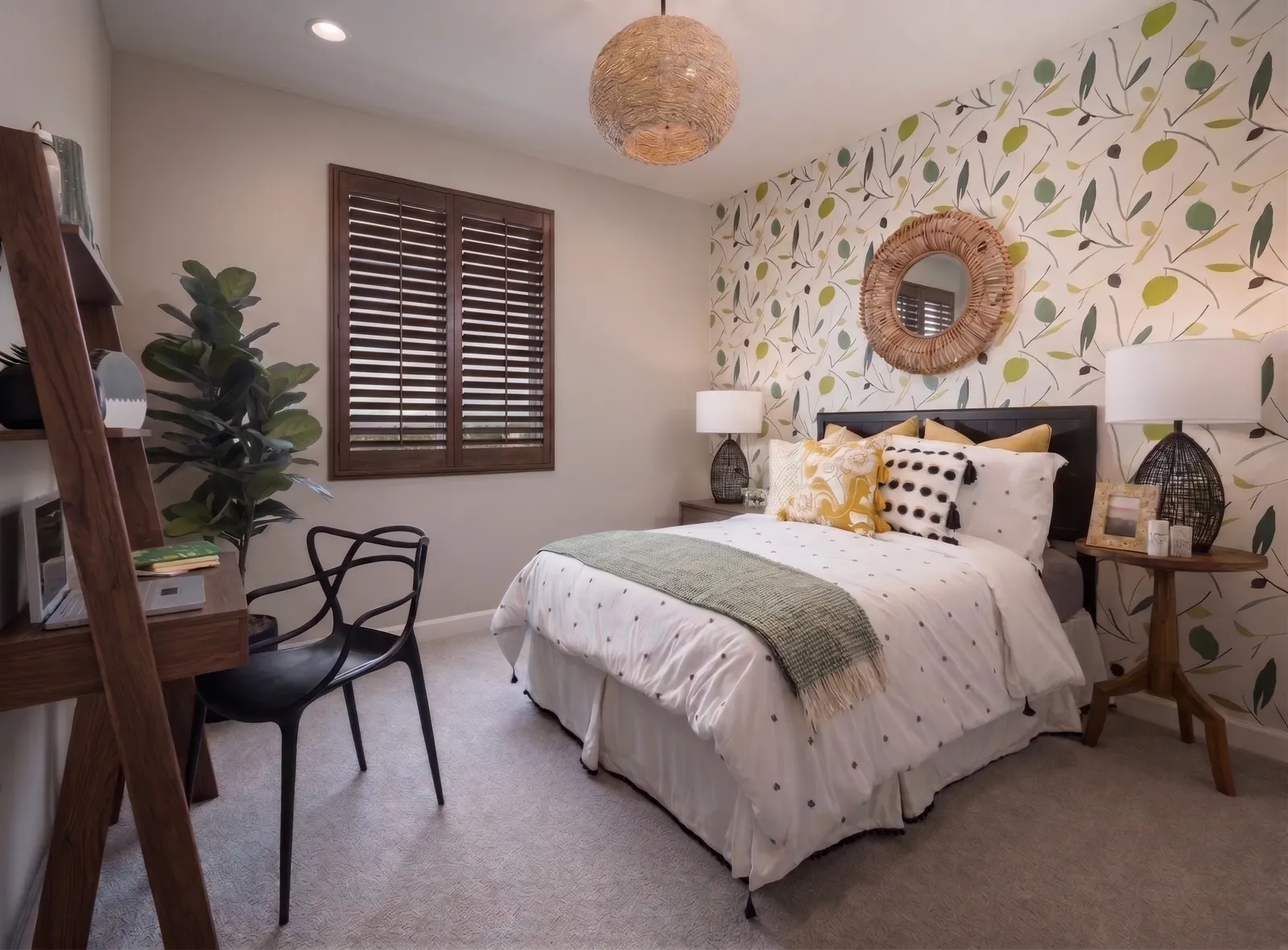
Wood shutters can still be the right option when:
- You want a stained finish
- You want a specific real wood look
- You have a traditional or custom home
- You want a premium furniture-like appearance
- You understand the maintenance and long-term considerations
- You are choosing a high-quality manufacturer with a strong drying and finishing process
Wood has a place. It just needs to be chosen carefully, especially in Arizona.
The concern is not that wood shutters are ugly or unusable. The concern is that homeowners should understand the long-term behavior of wood before choosing it.
Why Poly Shutters Are Often Better for Arizona Homes
For many Arizona homes, especially when the homeowner wants white shutters, poly is often the smarter choice.
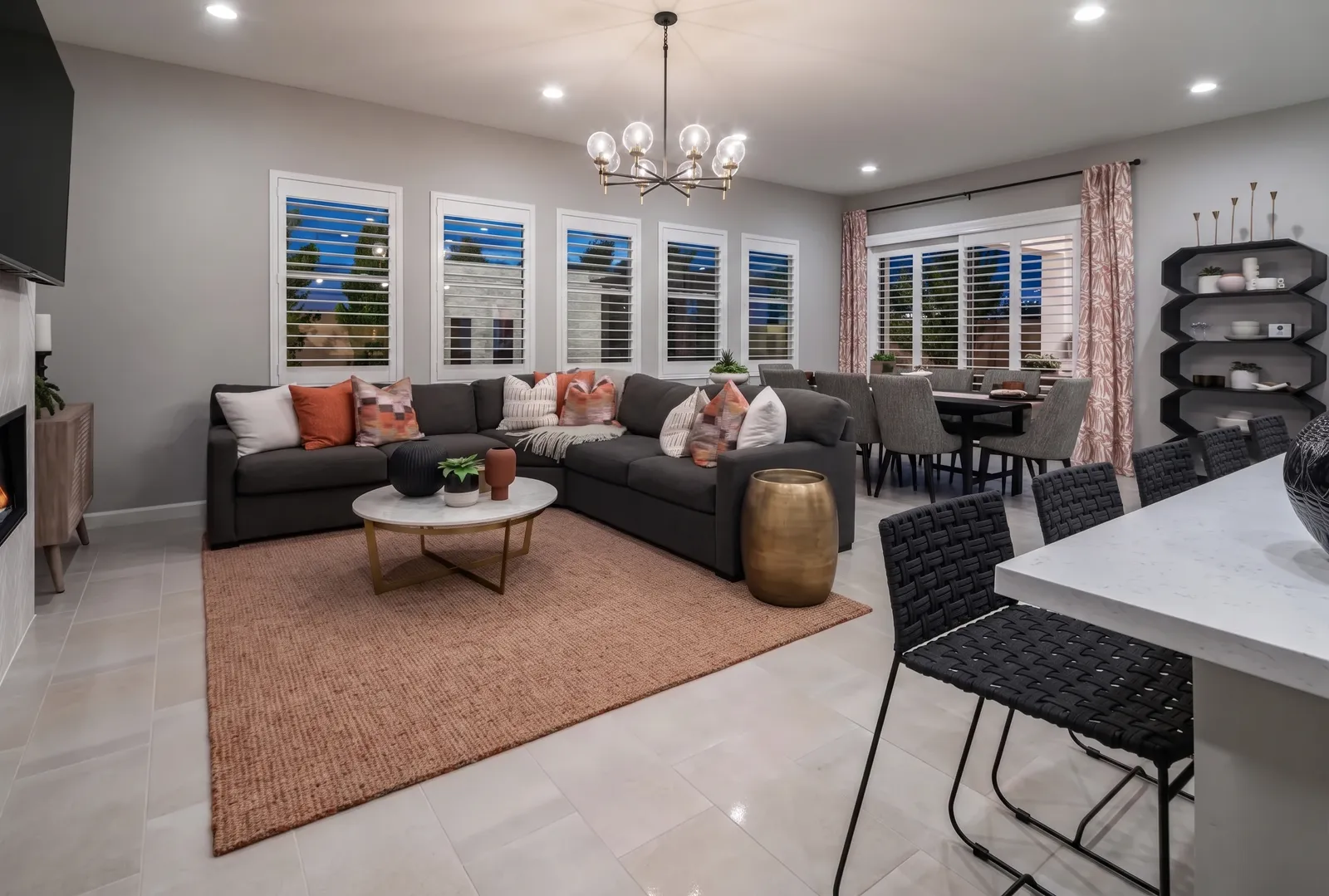
A quality poly shutter does not move the same way wood does. It is not absorbing and releasing moisture like a natural wood product. It is also highly durable and easy to clean.
Poly shutters are a strong option for:
- White shutters
- Off-white shutters
- Bathrooms
- Kitchens
- High-sun areas
- Busy homes
- Long-term homeowners
- Anyone concerned about warping or movement
If the goal is a clean white shutter that holds up well in Arizona, poly should be seriously considered.
Final Thoughts
Wood shutters can be beautiful, but Arizona is a tough environment.
The Scottsdale hotel shutters were a real example of what can happen over time. The shutter looked nice, but the panel would not stay closed. The magnet was not broken. The strike plate was not missing. The wood stile had bowed, and some of the louvers were no longer closing evenly.
That is the risk with real wood.
Wood reacts to humidity, temperature, and seasonal changes. When it moves, the shutter may stop operating the way it should.
If you want stained shutters, wood may still be the right choice. But if you want white or off-white shutters in Arizona, a high-quality poly shutter is often a better long-term solution.
At Arizona Plantation Shutters, we help homeowners understand the difference before they buy. The goal is not just to choose shutters that look good on installation day. The goal is to choose shutters that will continue to look good and function properly for years.