
Custom Plantation Shutters vs. Big-Box Shutters: The Real Difference
If you're comparing a custom shutter quote against what you saw at a big-box store, you're asking the right question - the price gap is real, and you deserve to know exactly what it buys. The honest answer: sometimes nothing you need, and sometimes everything that matters. This page lays out the actual differences for Arizona homes so you can decide which situation you're in.
The quick verdict
The real difference isn't the shutter on the shelf - it's the business model behind it. Big-box window coverings are chosen by national corporate buyers who purchase at enormous scale, are courted by manufacturers, and optimize for one thing: a price point that works in every market in the country. Those buyers never meet a homeowner, never see an installation, and never watch the product perform - so meaningful features get stripped for cost by people who have no way of knowing which features matter. Then the sales and the labor get subcontracted, and the in-store staff answering your questions have rarely stood in a finished home. A local specialist inverts every link in that chain: the people choosing the product line see it perform in Arizona homes for decades, measure your actual windows, install with their own trained crews, and answer the phone when something needs service. Big-box still has a lane - garages, laundry rooms, rentals, flips. But for the windows you'll live with, you want product chosen by someone who lives with the results.
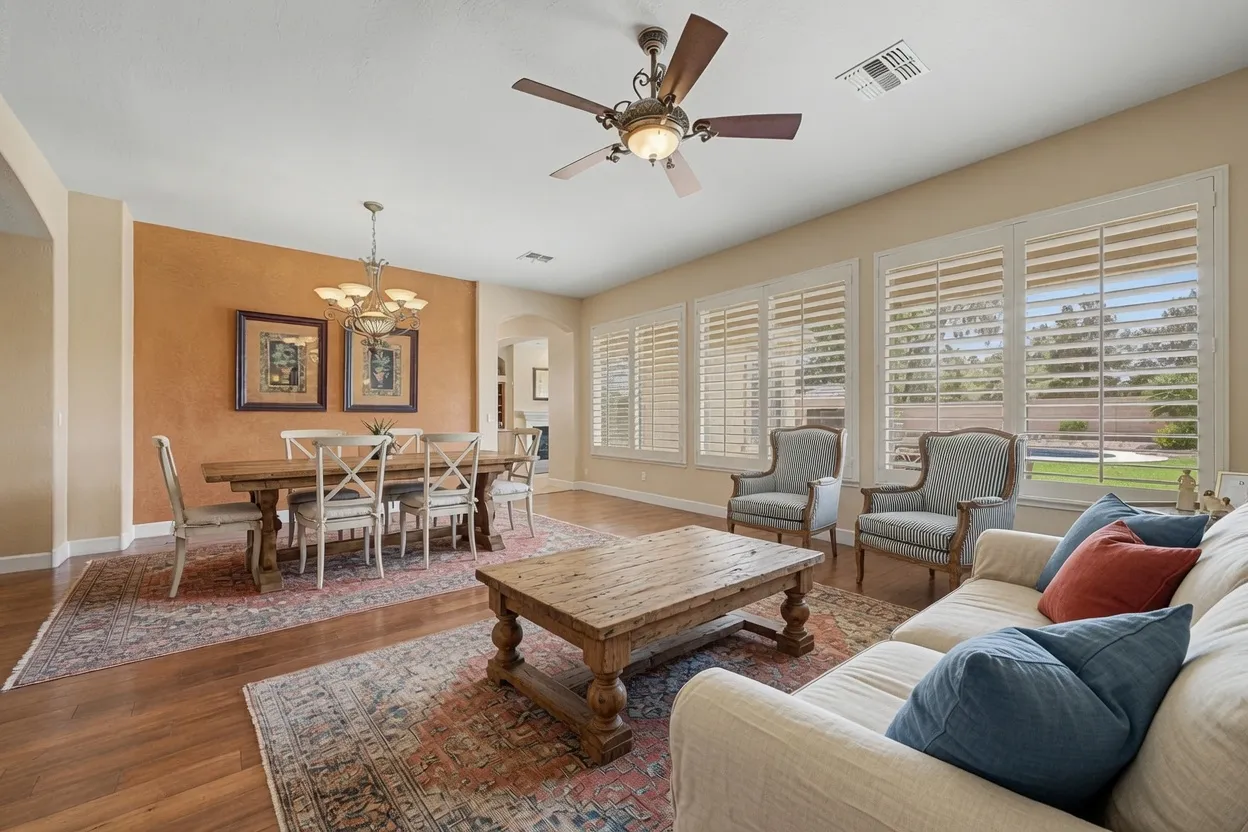
Side-by-side comparison
| Factor | Custom Shutters | Big-Box Shutters |
|---|---|---|
| Fit | Measured and built to your exact opening, out-of-square included | Standard sizes; gaps shimmed, filled, or lived with |
| Measurement | Professional measures every window; fit errors are on us | You measure; errors are on you |
| Who chooses the product line | Local specialists who see it perform in Arizona homes for decades | National corporate buyers who never see an installation |
| What drives the spec | Performance in your climate; features kept because they matter | National price points; meaningful features stripped for cost |
| Materials | Furniture-grade polymer or hardwood | Builder-grade vinyl or softwood composites |
| Who you talk to | Design consultants who work in Arizona homes daily | Store generalists who rarely see finished window covering work |
| Frames & mounts | Full range of frame styles engineered to your window depth and trim | Limited or no framing options |
| Arizona heat performance | Quality polymer built for it | Hollow vinyl can sag and distort; softwood warps |
| Installation | Trained installer; one company owns the result | DIY or subcontracted labor |
| If something fails | One call - we service what we install | Store, manufacturer, and installer point at each other |
| Warranty | Everything's Covered Guarantee - $0 service and labor, for as long as you live in your home | Typically limited manufacturer coverage; labor rarely included |
| Timeline | Made-to-order lead time | In stock or short lead - a real advantage |
| Final cost | Quoted complete: product, frames, measure, install | "Starting at" price; frames, cut-downs, and install added after |
| Best for | Main living areas, bedrooms, any long-term home | Garages, laundry, rentals, flips, temporary fixes |
Why “Fit” Is the Whole Game in Arizona
Here’s the part that never fits on a price tag: Arizona stucco homes rarely have square window openings. Settling, framing tolerances, and stucco returns mean the opening that measures 36” at the top can be 35⅝” at the sill, with a sill that isn’t level. A shutter is a rigid panel in a rigid frame — it has no fabric or slack to hide a bad fit. Custom shutters are built to your window’s actual dimensions, and the frame system trues up what the house didn’t.
A standard-size panel in an out-of-square opening shows the mismatch forever: light gaps down one side, panels that rub at the top and gap at the bottom, louvers that won’t seat evenly. This is why shutters are the least DIY-friendly window treatment — not because hanging one is hard, but because measuring one correctly is.
Who actually chose the shutter on that big-box shelf?
A corporate buyer — a merchandising professional purchasing at national scale, courted and sold to by manufacturers competing for shelf space. That buyer may be excellent at their job, but their job is retail math, not window coverings. They will never meet a homeowner, never attend an installation, never field a service call, and never stand in a living room five summers later to see how the product held up. There is no feedback loop connecting the person who chose the product to the person who lives with it.
That structure produces two predictable outcomes. First, the spec is national when it should be local. A product line chosen to hit a price point from Seattle to Miami isn’t chosen for what survives Arizona sun — but you don’t live in the national average; you live here, and the best product for your home is the one selected for your climate. Second, meaningful features get stripped for cost. Big-box retail is intensely price-sensitive, and features that matter — material grade, UV-stable finishes, frame systems, hardware quality — are exactly the kind of cost a buyer cuts, because nothing in their job ever shows them why those features matter. You can’t protect a feature you’ve never seen fail in the field.
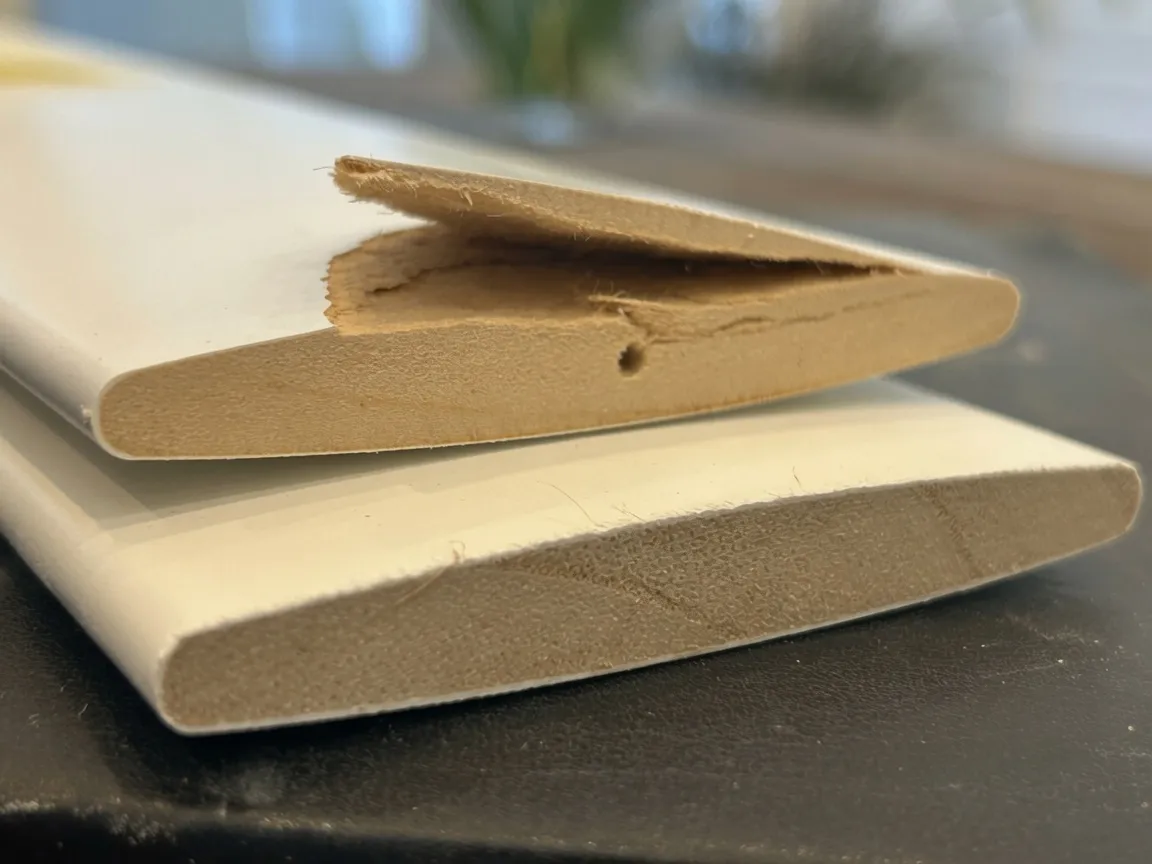
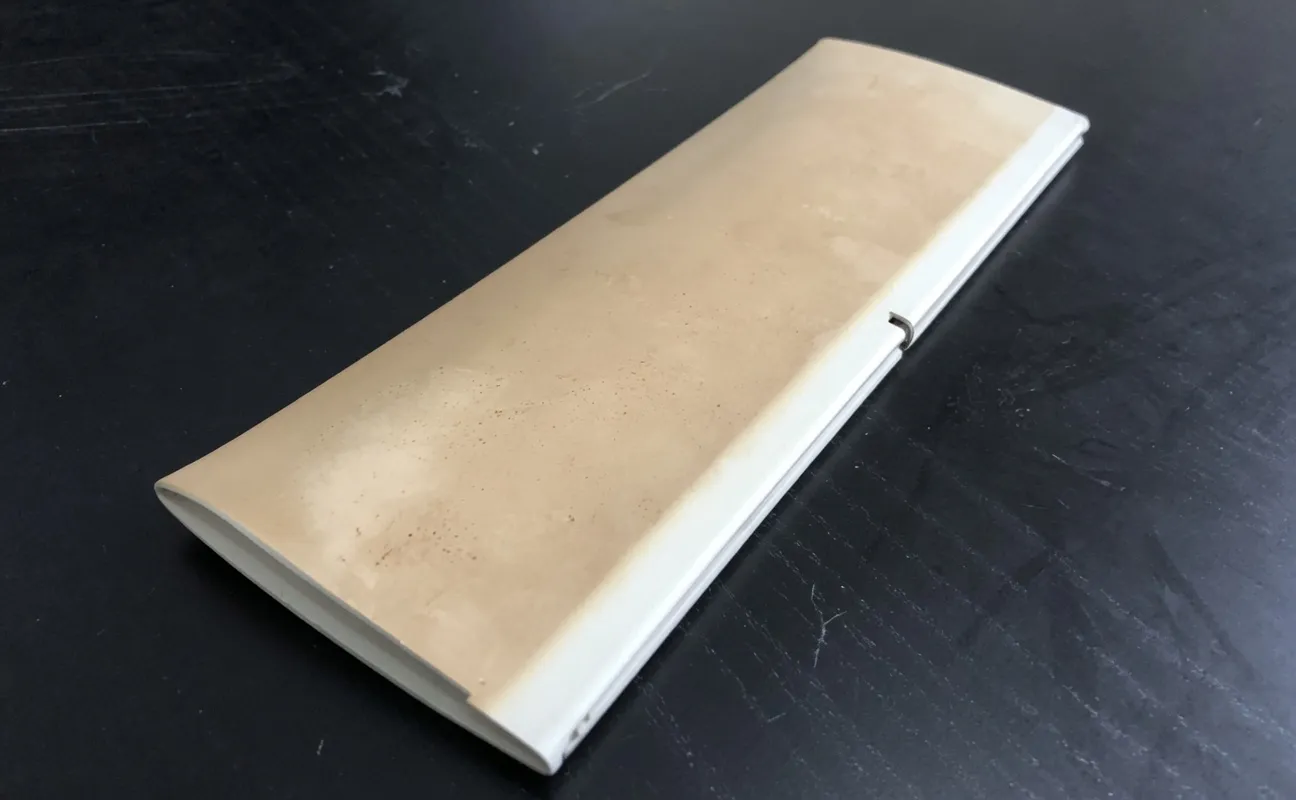
Then the model subcontracts the rest: the selling is handed to third parties, the labor is handed to third parties, and the in-store employees — helpful as they may be — rarely know window coverings deeply or visit homes to see finished work. At no point in the chain does anyone form a fact-based opinion about how the product actually performs.
A local specialist is the inverse of that chain at every link. The people selecting the product line have watched it perform in Arizona homes for decades and see every warranty claim that comes back. The consultation happens in your home, by people who are in Arizona homes every day. The installation is done by the same company, and that company answers the phone afterward. Every decision is made by someone who lives with the consequences — which is the only structure that produces genuinely good decisions about what goes on your windows.
We’ve Seen This From the Inside
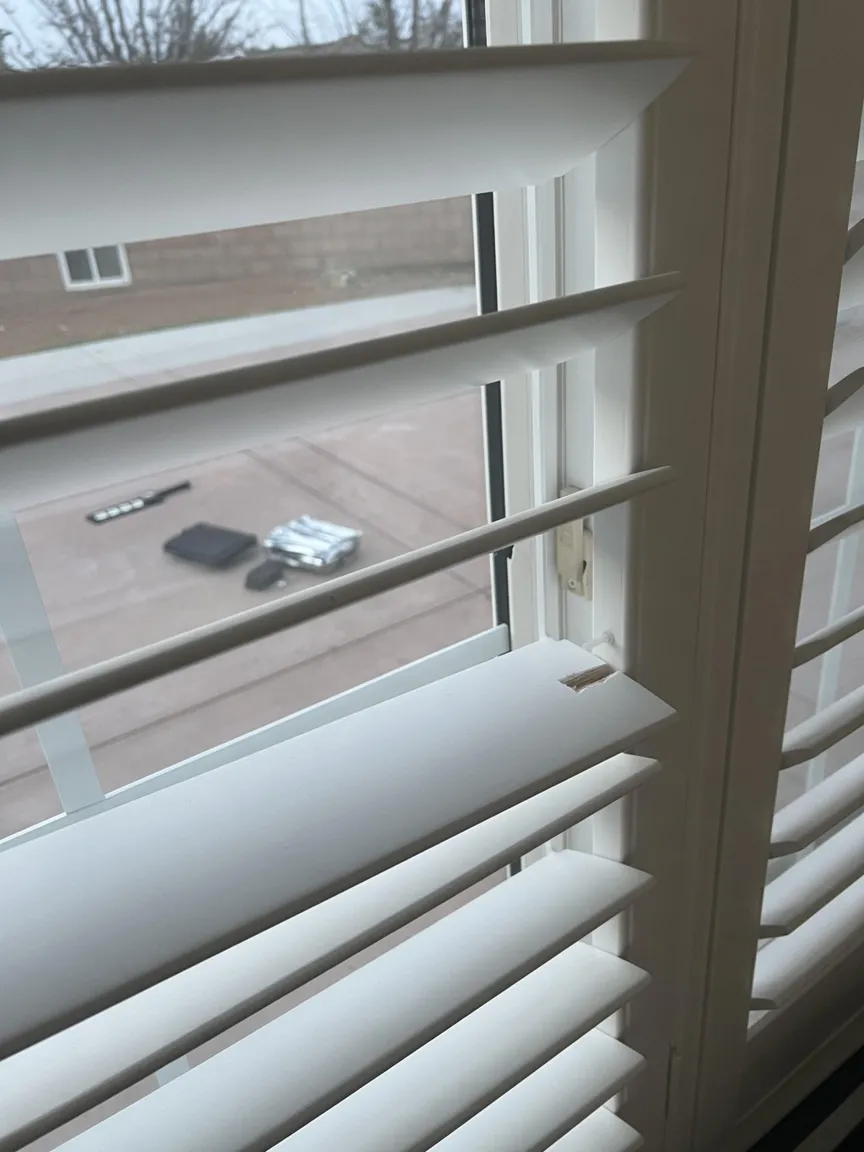
This isn’t theory for us. For years, we worked with one of the large box stores’ window covering programs, handling the national shutter brand their contract required. That shutter was among the lowest-quality products we’ve ever dealt with — defects straight out of the box, black marks on panels, defective louvers — seriously below the quality of the brands we sold through our own showrooms.
And here’s the part that proves the point: it didn’t matter. The brand was locked in by a national contract, and no amount of field experience with the defects could move it — because the people who signed that contract never saw the product in a home. Meanwhile, it was marketed in-store as a premium option, and customers paid a premium price for it.
That’s the lesson we carry from those years, and it’s worth stating plainly: in the big-box channel, price is not a quality signal. The brand on the shelf is there because of a contract, not because it won on merit — and a premium tag on it doesn’t change what’s in the box.
What does the “starting at” price leave out?
Big-box pricing leads with the panel. The complete job usually adds a frame kit (if offered), cut-down fees for non-stock sizes, delivery, and installation — either your weekend or a third-party contractor’s invoice. A custom quote runs the other direction: the number includes measurement, the product built to size, frames, and professional installation, with one company responsible for all of it. When homeowners compare the complete numbers rather than panel-vs-quote, the gap is consistently smaller than the shelf tag suggests. Compare finished-and-installed to finished-and-installed — it’s the only comparison that’s real.
Who answers the phone in year six?
Every window treatment eventually needs something — a louver tension adjustment, a hinge, a panel that shifted. With a custom installation there’s one answer: the company that measured, built, and installed it. We service what we install; that’s the deal, and it’s why we can put our name on the warranty.
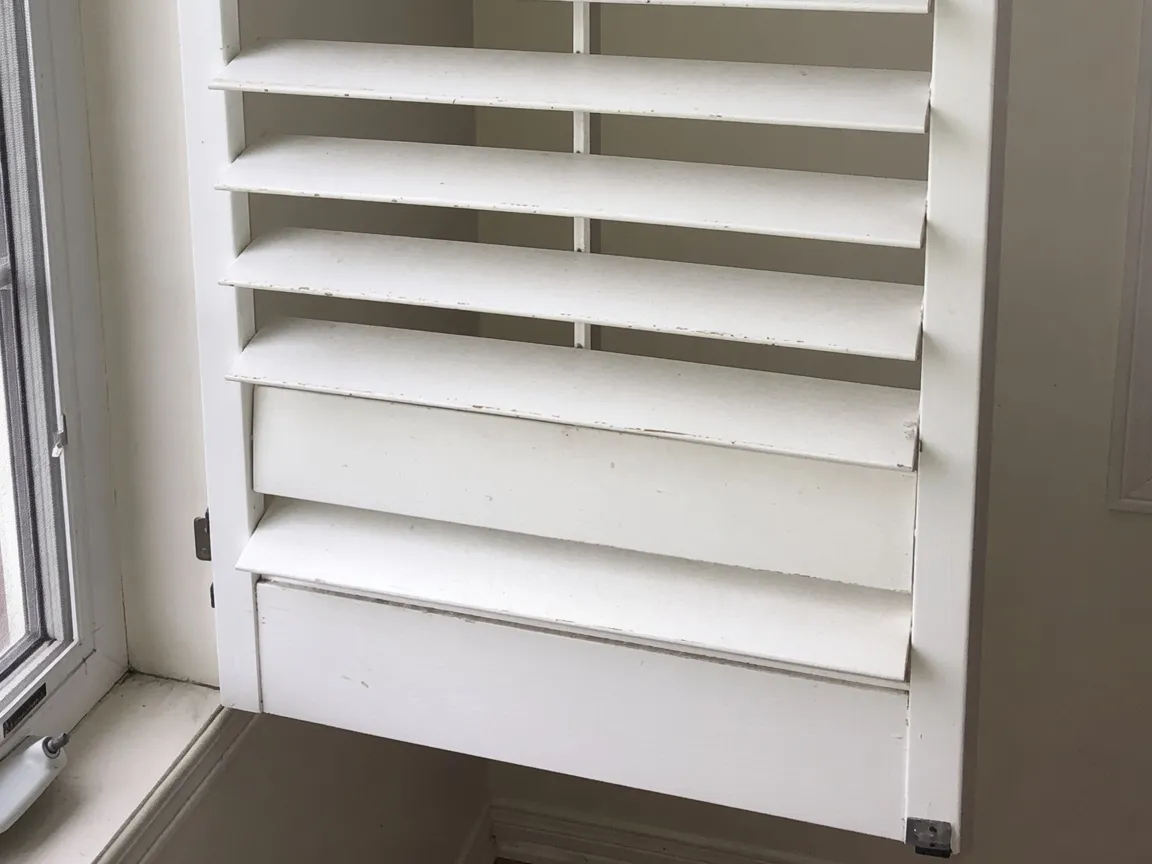
The big-box path splits that responsibility across a chain that was subcontracted from the start: the store sold it, a manufacturer made it, a third party (or your weekend) installed it — and each warranty excludes the others’ work. In practice, most failed big-box shutters just get replaced at the owner’s expense, which is worth pricing into the “cheaper” option.
Where Big-Box Shutters Make Sense
Being honest cuts both ways, so here’s the other side:
- Garages, laundry rooms, workshops. Standard-size windows nobody studies. Covered and white is the whole spec — save the money.
- Rentals and flips. Shutters photograph well in listings; if the horizon is short, builder-grade delivers the look at the right cost.
- Genuinely standard, square openings on a tight budget. If your opening happens to match a stock size and you’re a careful DIYer, the result can be acceptable. Just check the fit tolerance before buying, not after.
Which is right for you?
The forever home's main windows
Custom, without much debate. You'll operate and look at these daily for 20 years - fit, materials, and accountability all compound.
"We're selling in two years."
Depends on the buyer you're courting. In move-up neighborhoods, listed "custom plantation shutters" carry weight; in entry-level flips, big-box gets the photo.
"I just need the street-facing windows to look right."
Custom on the front elevation, save elsewhere - a mix we design regularly.
"The quote surprised me."
Fair. Have us walk the quote line by line against the complete big-box cost for your actual windows - including frames, cut-downs, and install. That comparison is the consultation, and it's free either way.
What Arizona homeowners say
“The windows at our house aren't square, but they got everything installed and filled in so you wouldn't be able to tell. They cleaned up afterwards and were all really professional. ... Prices were competitive with another quote that we got. Highly recommended!”
“Working with SW Blinds was seamless and professional from start to finish. ... I found pricing to be very reasonable compared to competition. I found options to be more expansive then the competition. However the service is what set SW Blinds apart in the end. I would highly recommend.”
Frequently asked questions
How much more do custom shutters cost than big-box shutters?
On the shelf tag, meaningfully more. On the complete installed job - frames, cut-downs, delivery, and installation included on both sides - the gap narrows considerably. Always compare finished-and-installed prices.
Are big-box shutters good quality?
They're built to a national price point, which means meaningful features - material grade, UV-stable finishes, frame systems - are routinely stripped for cost by buyers who never see the product perform in a home. For low-visibility windows that's fine. For main windows in Arizona heat, those missing features show up early and daily.
Do big-box stores carry premium shutter brands?
Some products there are marketed and priced as premium, but the brand on the shelf is chosen by national contract, not by outperforming alternatives. We've seen contract-locked "premium" shutters ship with defects a specialty dealer would never accept. In that channel, a higher price tag doesn't reliably mean a better shutter.
Why are big-box shutters so much cheaper?
Scale purchasing, builder-grade materials, standard sizes, and a spec designed around price rather than performance in any particular climate. The savings are real - they're just paid for in fit, features, lifespan, and having no single accountable party after the sale.
Who installs big-box shutters?
Usually you, or a third-party contractor. Either way, the installation isn't covered by the same party that made the product - which matters the day something fails.
What happens if a big-box shutter fails?
Manufacturer warranties are typically limited and exclude installation issues; labor is rarely covered. Most failures end in out-of-pocket replacement. With custom, one call reaches the company responsible for the whole job.
Can I put custom shutters on just some windows?
Yes - front-elevation and main-room mixes are common. We'll design the split so the transitions make sense from the street and inside.
Why are shutters bad for DIY?
The install isn't the hard part - the measuring is. Shutters are rigid products in openings that are rarely square, and a measurement error is built into the product permanently. It's the one treatment where professional measurement pays for itself.
Get the real comparison for your windows
Bring us the big-box numbers - genuinely. A free in-home consultation gets every window measured and both options priced complete, so you're comparing real totals instead of shelf tags. If big-box is honestly right for some of your windows, we'll say so.
Serving the Phoenix Valley from our Gilbert, Peoria, and Scottsdale showrooms.