
Shutter Configurations Compared: Full-Height, Café Style, and Tier-on-Tier
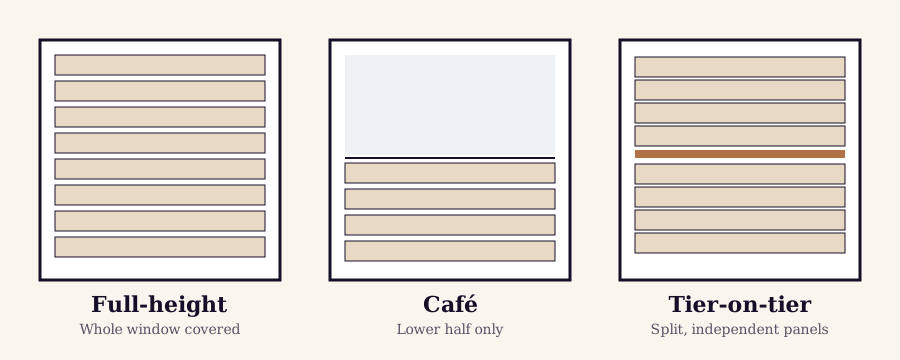
Once you've chosen shutters, one decision remains that most people have never thought about: how much of the window they cover, and in how many pieces. Full-height covers the whole window as one unit. Café style covers only the bottom portion. Tier-on-tier covers everything but splits into independent upper and lower panels. In most of the country this is a pure style call. In Arizona, one of the three has a heat argument the other two can't match.
The quick verdict
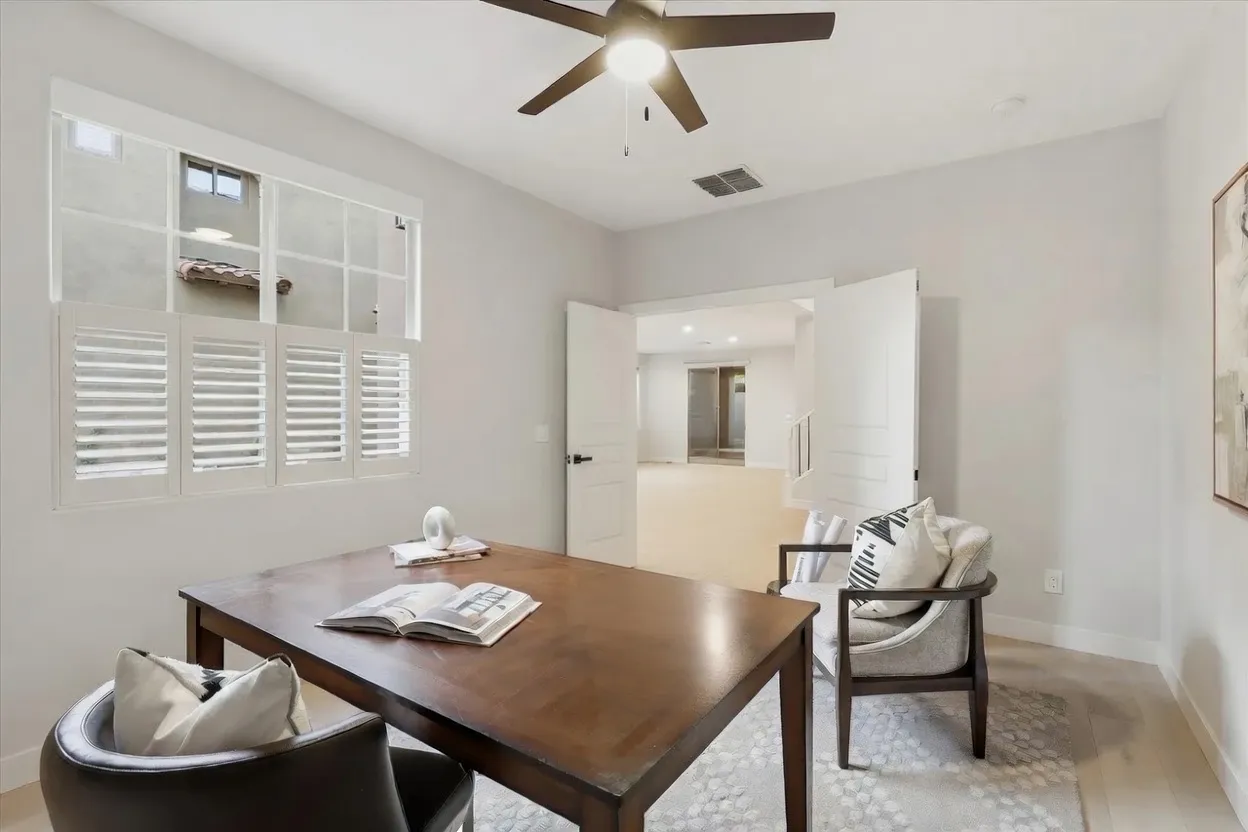
Full-height is the right call for most Arizona windows - and the reason is heat, not just style. A café shutter leaves your upper glass permanently uncovered, and in this climate that's an open lane for afternoon sun and heat gain right where you can't do anything about it. Full-height covers the whole window, insulates the whole window, and gives the cleanest architectural look. Tier-on-tier is the specialist: full coverage like full-height, but with independent top and bottom operation - closed below for privacy, open above for light - which makes it the answer for street-facing bedrooms and baths. Café style earns its place selectively: front-facing living spaces where you want seated-height privacy with maximum light, on windows that don't take hard western sun.
Side-by-side comparison
| Factor | Full-Height | Café Style | Tier-on-Tier |
|---|---|---|---|
| Coverage | Entire window | Lower portion only | Entire window, split panels |
| Privacy | Full | Seated-height only | Full, adjustable by tier |
| Light flexibility | Louver tilt across the whole window | Maximum light up top, always | Independent top/bottom control - most flexible |
| Heat blocking (Arizona) | Best - whole window insulated | Weakest - upper glass always exposed | Equal to full-height when closed |
| Architectural look | Cleanest, most classic | Charming, European, casual | Detailed, traditional |
| Operation | Simple | Simple | Two sets of panels to manage |
| Relative cost | Standard | Lower (less material) | Highest (most panels and hardware) |
| Best rooms | Almost everywhere in Arizona | Front living rooms, kitchens with protected exposure | Street-facing bedrooms and baths |
Why does full-height dominate in Arizona?
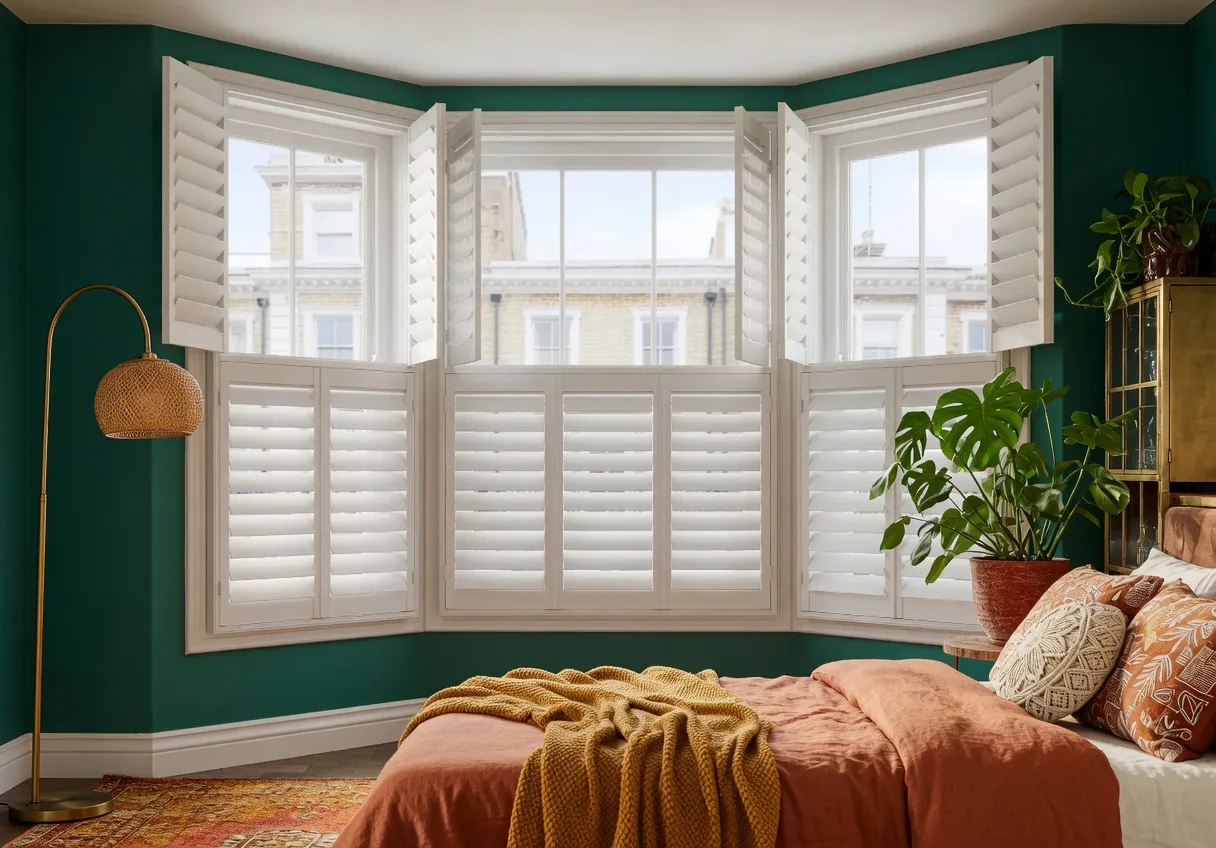
Café shutters are genuinely charming — that’s the French bistro look, light pouring over the top, privacy where you sit. The problem is what the style does in this climate: the uncovered upper glass takes direct sun with nothing to insulate it, and unlike a shade or blind, there’s nothing to lower when July arrives. The gap is permanent by design.
On a north-facing window or a covered-patio exposure, that’s a fair trade for the light. On anything facing west or south, it’s a heat leak you’ll feel — the upper half of the window heating the room all afternoon while the shutters below do their job. This is why café style is a fraction of our Arizona installs while full-height is the overwhelming default: full coverage means the whole pane gets the rigid panel and dead-air insulation, not just the half you can reach.
What is tier-on-tier - and when is it right?
Tier-on-tier looks like full-height when closed — the difference is that the upper and lower panels operate independently. Bottom closed, top open: privacy from the street with daylight from above. Both closed: full coverage, full insulation, same heat performance as full-height.
That combination makes it the configuration for a specific set of rooms: street-facing bedrooms, bathrooms, and any ground-floor room with foot traffic outside. You get morning light without dressing-room exposure. The trades are modest — more panels to operate, more hardware, and the highest cost of the three configurations — which is why we spec it for the rooms that need it rather than whole homes.
Where Café Style Still Works
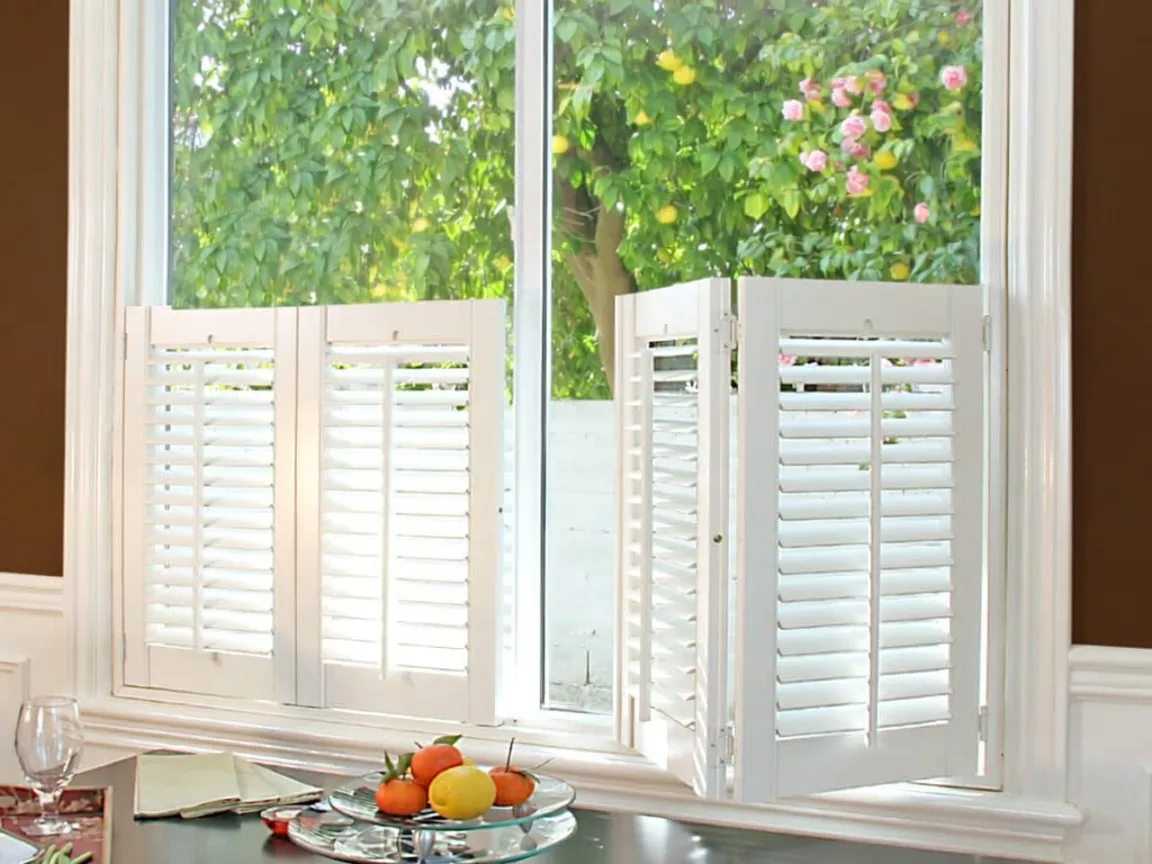
To be fair to the charmer of the group: café style is right when three things line up — you want maximum light, you only need privacy at seated height, and the window doesn’t take hard afternoon sun. In practice that’s front living rooms and breakfast nooks on north- or east-facing walls, especially in traditional and cottage-style homes where the look belongs. If that’s your window, café is a lovely, lower-cost choice. If the window faces west, we’ll talk you out of it — and now you know why.
Which is right for your home?
Whole-home project
Full-height as the baseline everywhere, then swap individual rooms only where a specific need argues for it.
Street-facing primary bath or bedroom
Tier-on-tier. Privacy below, light above, full coverage when you want it.
East-facing breakfast nook in a traditional home
Café style's best case - morning light, seated privacy, no afternoon sun penalty.
West-facing anything
Full-height, always. This is the exposure where full coverage pays for itself in comfort and cooling.
Great room with a view
Full-height, likely with 4½" louvers, so the coverage doesn't cost you the view - see our louver size guide for the blade choice.
What Arizona homeowners say
“Echo helped us pick the perfect coverings for our new bathroom. Adam was awesome doing the install and everything looks great!”
“Todd and Louie were very professional and took their time to do a great job installing our shutters. They had to do a build out to go around a chair rail and their work was very precise and accurate. Very friendly as well!!”
Frequently asked questions
Are café shutters cheaper than full-height?
Yes - they use less material, so they typically cost less. In Arizona, weigh that against the permanently uncovered upper glass: on sun-facing windows the savings come with a heat cost every summer.
Which shutter style is most private?
Full-height and tier-on-tier both give complete coverage. Tier-on-tier adds flexibility - you can hold privacy below while opening the top for light, which makes it the practical winner for bedrooms and baths.
What style is best for bathroom windows?
Tier-on-tier for street-facing baths (privacy plus daylight), full-height elsewhere. Either way, in polymer - moisture rules out wood in bathrooms.
Do café shutters make a room hotter in summer?
The room gains more heat than it would with full coverage, because the upper glass is always exposed. On north and east exposures the effect is minor; on west and south exposures it's significant enough that we recommend full-height instead.
Can you mix configurations in one home?
Yes - most homes do. Full-height as the default, tier-on-tier in the privacy rooms, café where its conditions genuinely fit. Consistency matters most on the front elevation: styles visible from the street should read intentionally, not randomly.
What is tier-on-tier vs. full-height?
Both cover the entire window. Full-height operates as one unit per panel; tier-on-tier splits into independent upper and lower panels so you can open the top while the bottom stays closed.
Configure it window by window
Configuration is a per-window decision - exposure, privacy, and the view from the street all factor in. A free in-home consultation maps it room by room, and you'll see samples of each style before anything is ordered.
Serving the Phoenix Valley from our Gilbert, Peoria, and Scottsdale showrooms.